There is decades of research on the efficacy and safety of creatine, and new studies being published nearly every day. Get up to speed on the basics here.
Science-backed support for better strength, focus, and energy that tastes as good as you'll feel.
Backed by our Scientific Advisors
Backed by our Scientific Advisors
Dr. Abbie Smith-Ryan PhD, CSCS*D, FASCSM
Dr. Abbie Smith-Ryan PhD, CSCS*D, FASCSM
Dr. Darren Candow PhD, FISSN
Dr. Darren Candow PhD, FISSN
Creatine 101
Creatine 101
What is creatine?
What is creatine?
Remember learning that mitochondria are the powerhouse of the cell? That’s where creatine comes in. It’s one of the most researched supplements out there, yet and still one of the most misunderstood. We’re here to help make sense of it all.
Remember learning that mitochondria are the powerhouse of the cell? That’s where creatine comes in. It’s one of the most researched supplements out there, yet and still one of the most misunderstood. We’re here to help make sense of it all.
NHCH3H2NOHNO
cre-a-tine [noun]
cre-a-tine [noun]
Creatine is a natural compound found in your muscles and brain that acts as a quick source of energy. At the cellular level, creatine boosts adenosine triphosphate (ATP)—the fuel for cellular function. The more creatine in your cells, the more strength and power you have during workouts, the better your focus and mental clarity, the quicker your muscle recovery.
Creatine is a natural compound found in your muscles and brain that acts as a quick source of energy. At the cellular level, creatine boosts adenosine triphosphate (ATP)—the fuel for cellular function. The more creatine in your cells, the more strength and power you have during workouts, the better your focus and mental clarity, the quicker your muscle recovery.
Creatine Helps Your Cells Work Harder — And Smarter.
Creatine Helps Your Cells Work Harder — And Smarter.
When creatine helps your cells rapidly regenerate ATP, it makes the entire cellular energy cycle more efficient.
That supports stronger output, sustained performance, and improved recovery.
When creatine helps your cells rapidly regenerate ATP, it makes the entire cellular energy cycle more efficient.
That supports stronger output, sustained performance, and improved recovery.
ATP
Energy Store
Energy is Spent
ADP
ATP becomes ADP
Creatine donates phosphate to ADP
ATP
ATP reforms quickly
Energy lasts longer
The Benefits
The Benefits
Proven by Decades of Research
Proven by Decades of Research
Creatine is one of the most researched supplements in all of sports nutrition, with decades of studies supporting its safety, effectiveness, and performance benefits. From strength and power to recovery and cognitive support, the science is deep, and it consistently delivers.
Creatine is one of the most researched supplements in all of sports nutrition, with decades of studies supporting its safety, effectiveness, and performance benefits. From strength and power to recovery and cognitive support, the science is deep, and it consistently delivers.
Strength
Strength
Accelerated strength gains and muscle recovery.
Accelerated strength gains and muscle recovery.
Train harder. Recover faster.
Train harder. Recover faster.
Creatine increases phosphocreatine stores, boosting power, endurance, and fatigue resistance during high-intensity workouts.
Creatine increases phosphocreatine stores, boosting power, endurance, and fatigue resistance during high-intensity workouts.
It also supports faster recovery by helping repair muscle micro-tears—so you feel better tomorrow and get back to it sooner.
It also supports faster recovery by helping repair muscle micro-tears—so you feel better tomorrow and get back to it sooner.
Percentage Gains During Weight Training With Creatine vs. Placebo
Percentage Gains During Weight Training With Creatine vs. Placebo
PLACEBO
PLACEBO
WITH CREATINE
WITH CREATINE
0%
5%
10%
15%
20%
25%
30%
35%
0%
5%
10%
15%
20%
25%
30%
35%
Lean Muscle Mass
Lean Muscle Mass
Bench Press
Bench Press
Squat
Squat
Negative Side Effects
Negative Side Effects
*Volek JS, Duncan ND, Mazzetti SA, et al. Performance and muscle fiber adaptations to creatine supplementation and heavy resistance training.
*Volek JS, Duncan ND, Mazzetti SA, et al. Performance and muscle fiber adaptations to creatine supplementation and heavy resistance training.
Percentage Gains During Weight Training With Creatine vs. Placebo
Percentage Gains During Weight Training With Creatine vs. Placebo
Placebo
Placebo
With Creatine
With Creatine
0%
5%
10%
15%
20%
25%
30%
35%
0%
5%
10%
15%
20%
25%
30%
35%
Lean Muscle Mass
Lean Muscle Mass
Bench Press
Bench Press
Squat
Squat
Negative Side Effects
Negative Side Effects
*Volek JS, Duncan ND, Mazzetti SA, et al. Performance and muscle fiber adaptations to creatine supplementation and heavy resistance training.
*Volek JS, Duncan ND, Mazzetti SA, et al. Performance and muscle fiber adaptations to creatine supplementation and heavy resistance training.
MEMORY
MEMORY
Why creatine boosts your brain
Why creatine boosts your brain
Your brain, like your muscles, relies on energy to function at its best. Creatine helps fuel cognitive processes by increasing ATP production—the brain’s primary energy source.
Your brain, like your muscles, relies on energy to function at its best. Creatine helps fuel cognitive processes by increasing ATP production—the brain’s primary energy source.
Studies show that creatine supplementation can improve memory, focus, and mental clarity, especially during stress or fatigue. It also supports brain health over time, making it a powerful tool for both mental performance and long-term cognitive function.
Studies show that creatine supplementation can improve memory, focus, and mental clarity, especially during stress or fatigue. It also supports brain health over time, making it a powerful tool for both mental performance and long-term cognitive function.
Memory Improvement With Creatine
Memory Improvement With Creatine
PLACEBO
PLACEBO
WITH CREATINE
WITH CREATINE
Memory Performance Score
50
55
60
65
70
75
80
85
50
55
60
65
70
75
80
85
Younger Adults
(11–31 Years)
Younger Adults (11–31 Years)
Older Adults
(66–76 Years)
Older Adults (66–76 Years)
*Volek JS, Duncan ND, Mazzetti SA, et al. Performance and muscle fiber adaptations to creatine supplementation and heavy resistance training.
*Volek JS, Duncan ND, Mazzetti SA, et al. Performance and muscle fiber adaptations to creatine supplementation and heavy resistance training.
Memory Improvement With Creatine
Memory Improvement With Creatine
Placebo
Placebo
With Creatine
With Creatine
Memory Performance Score
50
55
60
65
70
75
80
85
50
55
60
65
70
75
80
85
Younger Adults
(11–31 Years)
Younger Adults (11–31 Years)
Older Adults
(66–76 Years)
Older Adults (66–76 Years)
*Volek JS, Duncan ND, Mazzetti SA, et al. Performance and muscle fiber adaptations to creatine supplementation and heavy resistance training.
*Volek JS, Duncan ND, Mazzetti SA, et al. Performance and muscle fiber adaptations to creatine supplementation and heavy resistance training.
SLEEP
SLEEP
Supports enhanced cognitive function and neuroprotection.
Supports enhanced cognitive function and neuroprotection.
Creatine isn’t just for muscles—it’s for your mind.
Creatine isn’t just for muscles—it’s for your mind.
By fueling ATP production in the brain, creatine boosts memory, focus, and clarity, especially under stress or lack of sleep. Emerging research also points to long-term neuroprotective benefits.
By fueling ATP production in the brain, creatine boosts memory, focus, and clarity, especially under stress or lack of sleep. Emerging research also points to long-term neuroprotective benefits.
Feel the difference now—and support your brain for the future.
Feel the difference now—and support your brain for the future.
Cognitive Performance Under Sleep Deprivation
Cognitive Performance Under Sleep Deprivation
PLACEBO
PLACEBO
WITH CREATINE
WITH CREATINE
Cognitive Performance (% of Baseline)
Cognitive Performance (% of Baseline)
85
90
95
100
105
110
115
120
125
85
90
95
100
105
110
115
120
125
0022446688
Hours Post-Ingestion
Hours Post-Ingestion
*Volek JS, Duncan ND, Mazzetti SA, et al. Performance and muscle fiber adaptations to creatine supplementation and heavy resistance training.
*Volek JS, Duncan ND, Mazzetti SA, et al. Performance and muscle fiber adaptations to creatine supplementation and heavy resistance training.
Cognitive Performance Under Sleep Deprivation
Cognitive Performance Under Sleep Deprivation
Placebo
Placebo
With Creatine
With Creatine
Cognitive Performance (% of Baseline)
Cognitive Performance (% of Baseline)
85
90
95
100
105
110
115
120
125
85
90
95
100
105
110
115
120
125
0022446688
Hours Post-Ingestion
Hours Post-Ingestion
*Rawson, E.S., Venezia, A.C. Use of creatine in the elderly and evidence for effects on cognitive function in young and old. Amino Acids 40, 1349–1362 (2011)
*Rawson, E.S., Venezia, A.C. Use of creatine in the elderly and evidence for effects on cognitive function in young and old. Amino Acids 40, 1349–1362 (2011)
What's Happening in Your Body?
As creatine builds up in the body, muscle and other energy-demanding tissues have more readily available fuel. Over time, this can show up as steadier energy, improved recovery between efforts, and better tolerance for both physical and mental demands – effects that become more noticeable as creatine stores reach saturation.
Week 1
Muscle creatine levels begin rising, increasing phosphocreatine availability to support faster ATP regeneration.
Week 2
Creatine stores continue to build, improving energy output and recovery during repeated efforts.
Week 3
Near-full saturation supports higher training capacity and more noticeable strength gains.
Week 4
Creatine levels stabilize, helping sustain consistent energy, performance, and recovery.
Week 1
Muscle creatine levels begin rising, increasing phosphocreatine availability to support faster ATP regeneration.
Week 2
Creatine stores continue to build, improving energy output and recovery during repeated efforts.
Week 3
Near-full saturation supports higher training capacity and more noticeable strength gains.
Week 4
Creatine levels stabilize, helping sustain consistent energy, performance, and recovery.
Timing
We recommend taking creatine at a consistent time. Many of our customers take in the morning or before/after a workout.
Results
Benefits can be experienced in 2-3 weeks.
Loading
We do not suggest a loading phase.
Common creatine questions
Common creatine questions
Answered by leading creatine researchers
Answered by leading creatine researchers
Dr. Abbie Smith-RyanDr. Abbie Smith-Ryan
PhD, CSCS*D, FACSMPhD, CSCS*D, FACSM
Dr. Darren CandowDr. Darren Candow
PhD, FISSNPhD, FISSN
Health
Can you take creatine while pregnant?
Creatine is absolutely safe during pregnancy, and will deliver the same benefits to expectant mothers as it will for anyone else.
Dr. Abbie Smith-Ryan, PhD, CSCS*D, FACSMProfessor & Expert in Exercise Physiology and Women’s Health
Health
Can you take creatine while pregnant?
Creatine is absolutely safe during pregnancy, and will deliver the same benefits to expectant mothers as it will for anyone else.
Dr. Abbie Smith-Ryan, PhD, CSCS*D, FACSMProfessor & Expert in Exercise Physiology and Women’s Health
Dr. Abbie Smith-Ryan, PhD, CSCS*D, FACSMProfessor & Expert in Exercise Physiology and Women’s Health
Bio
Dr. Abbie Smith-Ryan is a Professor at the University of North Carolina at Chapel Hill and a leading expert in exercise physiology, metabolism, and sport nutrition. She leads a research lab focused on body composition and performance, with a special emphasis on women’s health across the lifespan.
With over 220 peer-reviewed publications and international recognition, her work has helped shape how we understand training, nutrition, and recovery. She has been awarded Outstanding Sports Scientist of the Year and Nutrition Researcher of the Year by the National Strength and Conditioning Association.
Beyond the lab, Dr. Smith-Ryan is passionate about translating science into practical strategies that help people feel stronger, healthier, and more confident in their everyday lives.
Protocol
Can you take too many gummies?
While 5-10g a day will provide most of the benefits of creatine for most people, research indicates there are no adverse effects up to 20g a day.
Dr. Darren Candow, PhD, FISSNProfessor & Expert in Muscle, Brain, and Creatine Science
Protocol
Can you take too many gummies?
While 5-10g a day will provide most of the benefits of creatine for most people, research indicates there are no adverse effects up to 20g a day.
Dr. Darren Candow, PhD, FISSNProfessor & Expert in Muscle, Brain, and Creatine Science
Dr. Darren Candow, PhD, FISSNProfessor & Expert in Muscle, Brain, and Creatine Science
Bio
Dr. Darren Candow is a Professor at the University of Regina and a globally recognized expert in creatine supplementation, muscle health, and aging. He leads the Aging Muscle and Bone Health Laboratory, where his research focuses on improving muscle, bone, and brain function through nutrition and resistance training.
With over 160 peer-reviewed publications—among the most in the world on creatine—his work has been widely cited and applied in both clinical and performance settings. He has received over $2 million in research funding and was named to Stanford University’s Top 2% of Scientists list.
Dr. Candow’s work is dedicated to developing practical, evidence-based strategies that support strength, cognition, and long-term health.
Health
Does creatine make you bloated?
We get this a lot, but creatine won't make you bloated. In fact, research indicates it may make you less bloated by pulling extracellularl water into your muscles and brain.
Dr. Abbie Smith-Ryan, PhD, CSCS*D, FACSMProfessor & Expert in Exercise Physiology and Women’s Health
Health
Does creatine make you bloated?
We get this a lot, but creatine won't make you bloated. In fact, research indicates it may make you less bloated by pulling extracellularl water into your muscles and brain.
Dr. Abbie Smith-Ryan, PhD, CSCS*D, FACSMProfessor & Expert in Exercise Physiology and Women’s Health
Dr. Abbie Smith-Ryan, PhD, CSCS*D, FACSMProfessor & Expert in Exercise Physiology and Women’s Health
Bio
Dr. Abbie Smith-Ryan is a Professor at the University of North Carolina at Chapel Hill and a leading expert in exercise physiology, metabolism, and sport nutrition. She leads a research lab focused on body composition and performance, with a special emphasis on women’s health across the lifespan.
With over 220 peer-reviewed publications and international recognition, her work has helped shape how we understand training, nutrition, and recovery. She has been awarded Outstanding Sports Scientist of the Year and Nutrition Researcher of the Year by the National Strength and Conditioning Association.
Beyond the lab, Dr. Smith-Ryan is passionate about translating science into practical strategies that help people feel stronger, healthier, and more confident in their everyday lives.
Health
Why should I take creatine?
We don't think of creatine is an "essential" nutrient, but with its benefits to muscles, bones, and brain health, we consider it conditionally essential for almost everyone.
Dr. Darren Candow, PhD, FISSNProfessor & Expert in Muscle, Brain, and Creatine Science
Health
Why should I take creatine?
We don't think of creatine is an "essential" nutrient, but with its benefits to muscles, bones, and brain health, we consider it conditionally essential for almost everyone.
Dr. Darren Candow, PhD, FISSNProfessor & Expert in Muscle, Brain, and Creatine Science
Dr. Darren Candow, PhD, FISSNProfessor & Expert in Muscle, Brain, and Creatine Science
Bio
Dr. Darren Candow is a Professor at the University of Regina and a globally recognized expert in creatine supplementation, muscle health, and aging. He leads the Aging Muscle and Bone Health Laboratory, where his research focuses on improving muscle, bone, and brain function through nutrition and resistance training.
With over 160 peer-reviewed publications—among the most in the world on creatine—his work has been widely cited and applied in both clinical and performance settings. He has received over $2 million in research funding and was named to Stanford University’s Top 2% of Scientists list.
Dr. Candow’s work is dedicated to developing practical, evidence-based strategies that support strength, cognition, and long-term health.
Protocol
When to take creatine gummies + how many?
Taking your creatine with exercise always helps, but the most important thing is just taking it every day.
Dr. Abbie Smith-Ryan, PhD, CSCS*D, FACSMProfessor & Expert in Exercise Physiology and Women’s Health
Protocol
When to take creatine gummies + how many?
Taking your creatine with exercise always helps, but the most important thing is just taking it every day.
Dr. Abbie Smith-Ryan, PhD, CSCS*D, FACSMProfessor & Expert in Exercise Physiology and Women’s Health
Dr. Abbie Smith-Ryan, PhD, CSCS*D, FACSMProfessor & Expert in Exercise Physiology and Women’s Health
Bio
Dr. Abbie Smith-Ryan is a Professor at the University of North Carolina at Chapel Hill and a leading expert in exercise physiology, metabolism, and sport nutrition. She leads a research lab focused on body composition and performance, with a special emphasis on women’s health across the lifespan.
With over 220 peer-reviewed publications and international recognition, her work has helped shape how we understand training, nutrition, and recovery. She has been awarded Outstanding Sports Scientist of the Year and Nutrition Researcher of the Year by the National Strength and Conditioning Association.
Beyond the lab, Dr. Smith-Ryan is passionate about translating science into practical strategies that help people feel stronger, healthier, and more confident in their everyday lives.
Here's what the latest
creatine research
says:
Here's what the latest
creatine research
says:
Daily creatine supports memory — most measurably with age. Prokopidis et al. 2022
Daily creatine supports memory — most measurably with age. Prokopidis et al. 2022
A meta-analysis pooling data across healthy adults found that creatine supplementation improved memory performance, with the strongest effects in adults aged 66–76. As little as 5g a day was enough to move the needle.
A meta-analysis pooling data across healthy adults found that creatine supplementation improved memory performance, with the strongest effects in adults aged 66–76. As little as 5g a day was enough to move the needle.
The same energy system fuels muscle and brain. Gualano et al. 2016
The same energy system fuels muscle and brain. Gualano et al. 2016
A review of creatine's role in cellular energy metabolism. The phosphocreatine system rapidly regenerates ATP for high-demand tissues — muscle and brain alike — which is why cognitive benefits show up most clearly when energy demand is highest: sleep deprivation, mental fatigue, intense focus.
A review of creatine's role in cellular energy metabolism. The phosphocreatine system rapidly regenerates ATP for high-demand tissues — muscle and brain alike — which is why cognitive benefits show up most clearly when energy demand is highest: sleep deprivation, mental fatigue, intense focus.
Women start with 70–80% less creatine than men. Smith-Ryan et al. 2021
Women start with 70–80% less creatine than men. Smith-Ryan et al. 2021
A foundational review establishing that women have 70–80% lower endogenous creatine stores than men and tend to consume less of it through diet. The implication is straightforward: women may have more to gain from supplementation, particularly during life stages like postpartum and the menopause transition.
A foundational review establishing that women have 70–80% lower endogenous creatine stores than men and tend to consume less of it through diet. The implication is straightforward: women may have more to gain from supplementation, particularly during life stages like postpartum and the menopause transition.
Cognitive support is greatest when the brain is taxed. Rawson and Venezia 2011
Cognitive support is greatest when the brain is taxed. Rawson and Venezia 2011
Cognitive tasks rely on creatine and phosphocreatine to keep brain energy steady, and supplementation can support cognitive processing. The most pronounced effects show up in people who are sleep-deprived or under stress — i.e., most of us, most weeks.
Cognitive tasks rely on creatine and phosphocreatine to keep brain energy steady, and supplementation can support cognitive processing. The most pronounced effects show up in people who are sleep-deprived or under stress — i.e., most of us, most weeks.
Creatine is an amino acid found mostly in your muscles and brain. Your body makes it naturally, and you also get it from eating meat. It's the most studied supplement in fitness, and research shows it can support strength, recovery, and mental sharpness.
The main benefits of creatine are increasing strength, building muscle, muscle recovery, and improved mental acuity.
Most active adults can benefit from creatine. The standard 3–5g a day supports strength, recovery, and everyday energy for anyone training or staying active. Women in particular tend to have lower natural creatine stores and get less of it through diet, so they often have the most to gain.
Creatine is one of the most thoroughly studied supplements available — 685 peer-reviewed human clinical trials and over 12,800 participants — and at recommended doses, side effects are rare. The most common concern, bloating, isn't really bloating: creatine pulls water into muscle cells, not the space around them. Current research shows no link between creatine and hair loss, and no impact on kidney function in healthy individuals.
You may experience the benefits of creatine supplementation within 2–3 weeks.
Anytime that fits your routine. The research is clear that consistency matters more than timing — what counts is taking it every day. Find a moment that sticks — with breakfast, post-workout, or before bed — and stay with it.
5,000+ Five-Star Reviews
Made in the USA
Third-Party Tested
Bundle & Save Up to 20%
+ subscribe for free shipping on every order
YOU UNLOCKED EARLY ACCESS!
+ free shipping on all subscriptions!
Discount Auto-Applied!
Subscribe & every order ships FREE
Code LOCKITIN for Extra 20% Off!
2-mo+ Subs. Limited Time Only.
Try Creatine + Electrolytes for a FREE Gummy Sampler
Special Offer: Active Subscribers Only
Deal hotter than July: Up to 47% off sub
Code: SWEATY30. Limited Time + Free Shipping!
JRE Exclusive: Up to 44% OFF
Code: ROGAN automatically applied at checkout
Code: KENDALL for Up to 40% Off
Limited Time + Free Shipping on Subs
Father's Day Sale - Save Up to 47% OFF w/ Code DADMODE
Ends Soon. Free Shipping on Subs
Squeeze Your Offer on Lemonade!
Code: LEMONADE. Limited Time + Free Shipping
Unlock Offer on NEW Ultimate Sour!
Code: SOURSUMMER. Free Shipping.

 Classic Lemonade
 Peach Lemonade
 Raspberry Lemon
 Strawberry Lemon

 Lemon Lime
 Watermelon
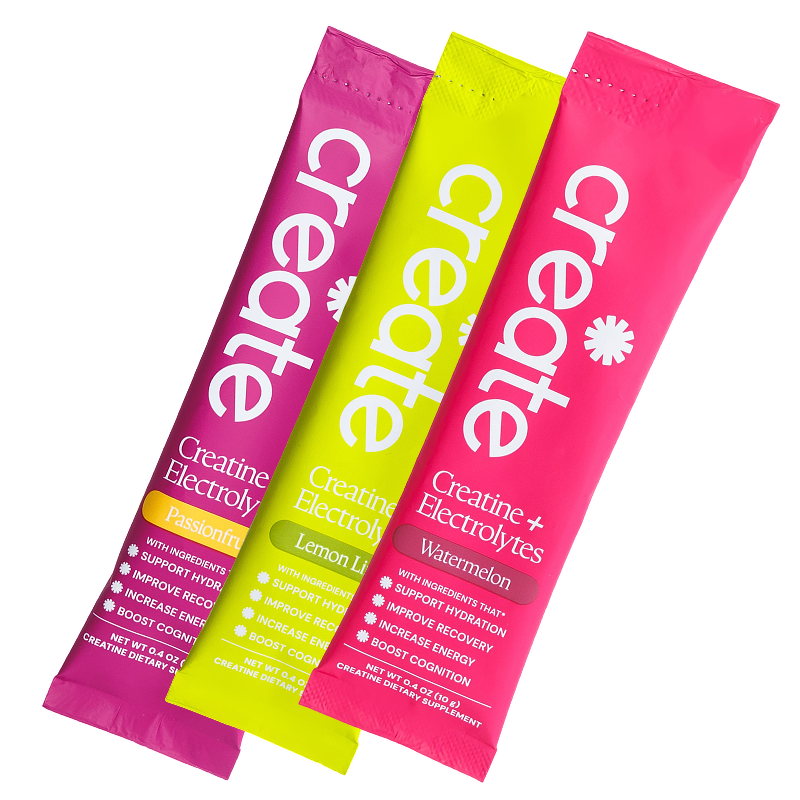 Variety Pack


 Sour Grape
 Variety
 Sour Cherry
 Watermelon
 Orange
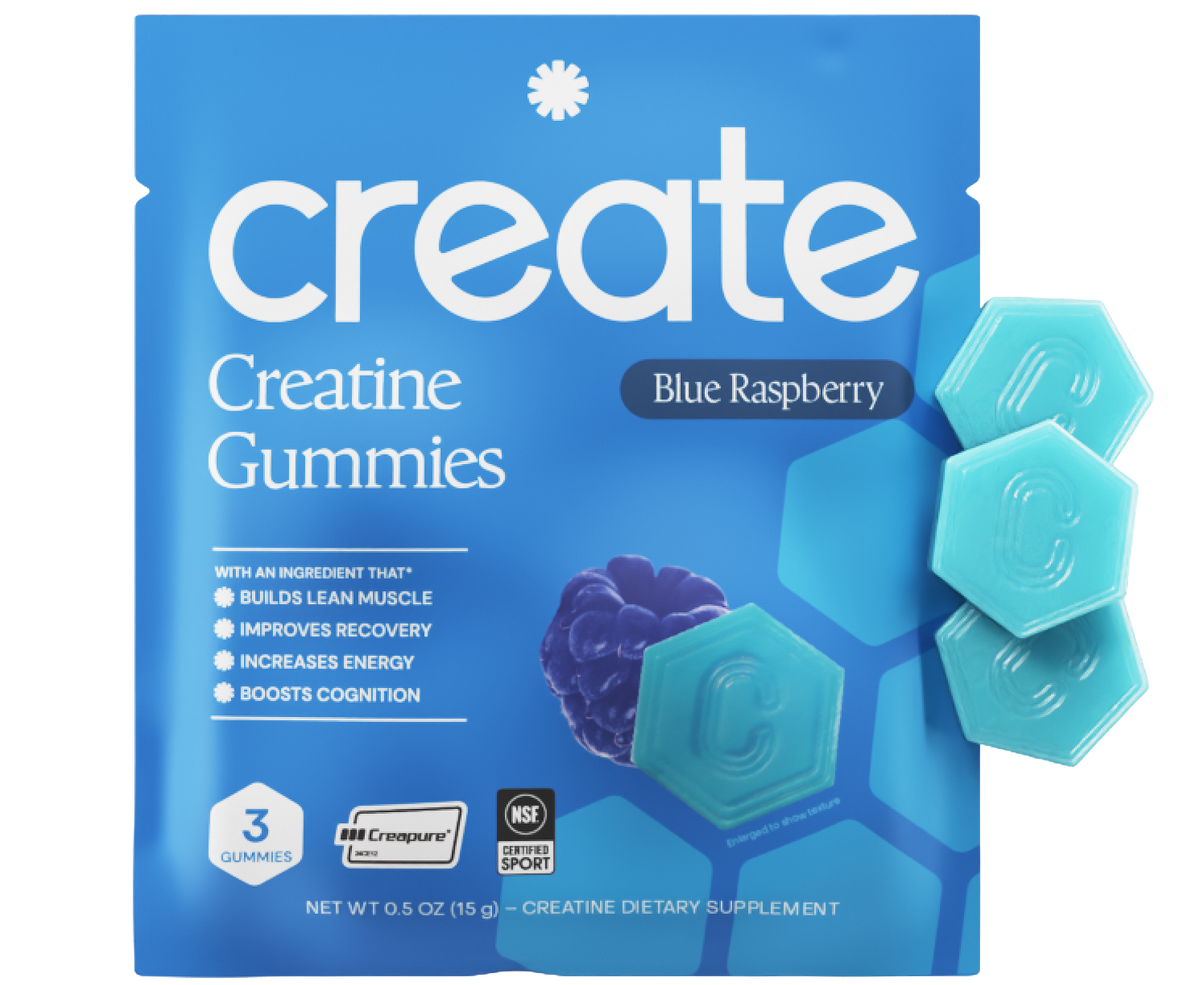 Blue Raspberry
 Sour Green Apple
 Sour Peach


